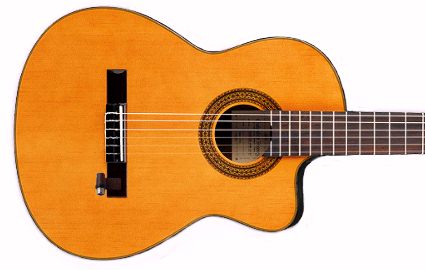
An all-terrain professional pickup

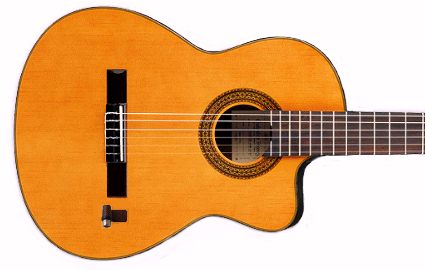

High-End Pickup

|
The TB88/CR concert pickup
The reason we designed this pickup was to obtain an electrical signal faithful to the original sound of the instrument being
amplified. All this without microphones, and therefore without unwanted reverberations or resonances. Also, without the potential
for poor acoustics in the recording venue.
Its small size, accurate output signal, very low distortion, and excellent frequency response (see graph below) make it suitable for use in recordings and live performances.
Installation is very simple: just stick it onto the vibrating surface of any musical instrument.
This is probably the smallest general-purpose professional pickup available on the market.
|
|
The TB88/CR guitar concert pickup
When the design of the instrument makes it impossible to electrify and amplify the acoustic or classical guitar with a pickup under the bridge,
the professional contact model TB88/CR is the solution because it allows us to obtain an electric signal without manipulating the instrument at all,
since it is enough to adhere it to the bridge or vibrating surface and the matter is resolved.
We show, therefore, on this page the results obtained in the design of a pickup for acoustic guitar, classical guitar and many other
plucked and bowed string instruments such as cello, double bass, even sitar and other exotic instruments with
excellent results, using as active element, suitably prepared barium titanate.
|
The pickup revolution:
electric sound = acoustic sound!
A gift for the eyes and ears.

Great sound with the banjo and the TB88 series
|
The TB88/CR on the sitar & sarod
The transducer can be mounted on the bridge or on the body of the instrument, very close to the bridge.
In both cases, it perfectly captures the sound of the resonating strings. It is attached with double-sided adhesive tape.

TB88/CR on the sitar
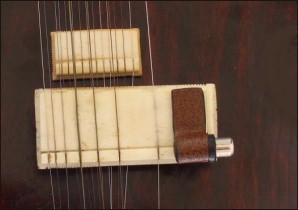
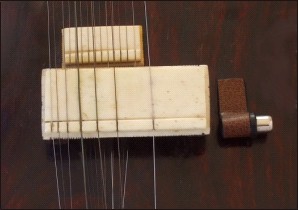
The TB88/CR series perfectly captures the sound of resonating strings!
|
|
The TB88/CR on the cello and double bass
Also, the TAV TB88 series is a very good alternative for musicians who wish to electrify their cello and
double bass.
It is well known that if we use traditional pickups installed under one of the bridge legs, in most cases we will have to go to a luthier for their
correct adjustment and placement. But with the TB88 pickup, electrifying these two instruments has never been easier, as it is enough to place the
double-sided adhesive tape on the pickup and then, after cleaning the bridge, adhere it in the appropriate place, as we can see in the following images.
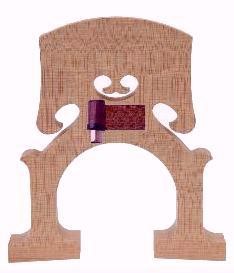
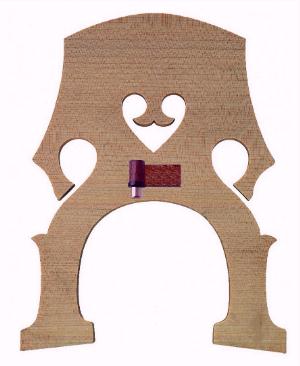
The installation process couldn't be simpler. Thanks to its excellent response, clear output signal, and fair price, it's the ideal pickup for
musicians who don't want to make a large investment in this type of product but also don't want to compromise on quality.
|
|
The TB88/CR pickup on the hang
This pickup allows you to obtain a perfectly natural sound from instruments such as the hang and other similar instruments.
It also allows maintaining an orderly, clean presence of tripods and microphones.
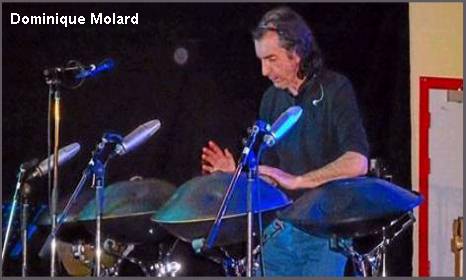 Before installing the TB88/CR pickup.
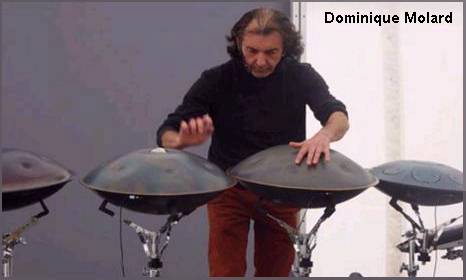 After installing the TB88/CR pickup.
In the first image we see Dominique Molard in a staging full of cables, microphones and tripods. In the second, the stage
is another thing... Clean of electrical accessories, the only protagonists are the hang's with the pickup TB88/CR and the
musician. Dominique Molard is a great french percussionist specializing in hang and other percussion instruments. With
Ivon Molard, also a percussionist, they have developed a very interesting research work in this field of music.
Other french percussionist musicians, such as Lionel Tessier and Mélaine Cogez, have joined the electric sound of the hang,
integrating this instrument electrified in the traditional set of percussion.
|
|
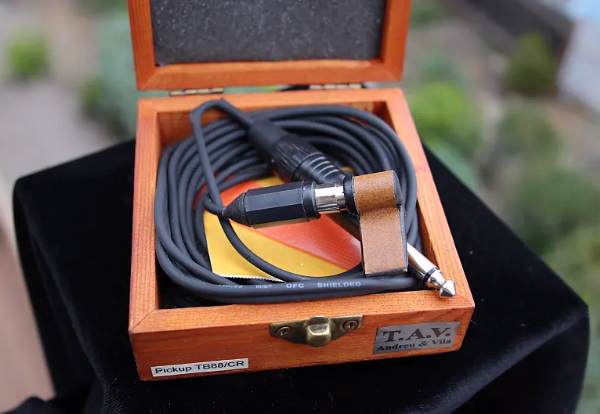
TB88/CR Kit Contents

- Micro pickup universal with attached RCA connector.
- Double-sided adhesive tape.
- Shielded extension cable with RCA connector and 1/4" JACK.
- Data sheet.
Technical data:
- Mobile sensor.
- Instruments: Plucked and bowed strings. Also small percussion.
- Contact surface:
20mm. x 12,5mm.
- Impedance: 12K ohms aprox. (1Khz).
- Fixing: Double-sided adhesive tape, included in the kit.
- Cable for amplifier included: 3m. with RCA and JACK 1/4".
|
|
Mechanical correction of frequency response
In our designs, the basis of transduction is barium titanate. The graphs presented below show that, on a medium-sized ceramic substrate,
 apart from small, rather weak resonances in the upper part of the audio spectrum, easy to correct, there also appear one or two strong
resonances and their corresponding anti-resonances with a high Q factor in the mid-frequency area.
In the attached impedance graph you can see these resonances and anti-resonances reflected in the electrical part of a typical ceramic
vibrating in the air without support or mechanical damping.
apart from small, rather weak resonances in the upper part of the audio spectrum, easy to correct, there also appear one or two strong
resonances and their corresponding anti-resonances with a high Q factor in the mid-frequency area.
In the attached impedance graph you can see these resonances and anti-resonances reflected in the electrical part of a typical ceramic
vibrating in the air without support or mechanical damping.
These resonances also appear in the response curve, somewhat displaced according to the type of support used to obtain the graph
making it impossible to use them in the musical field, as we can see in the following response curve.
|
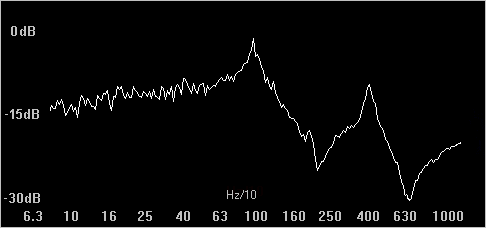
Bad Frequency response for the music!
To make this first measurement, we have not applied any damping or correction technique.
The curves were made with a spectrum analyzer and logarithmic sweep adjusting its bandwidth from 50Hz to 15KHz.
By making a design with the appropriate measurements and choosing the appropriate materials, both for the active element and also for the substrate,
in addition to using an appropriate damping system, we can move and/or attenuate the resonances to achieve an excellent
frequency response. The following graph shows the response curve of our pickup, once it is mounted in its housing and its
own resonances corrected. It is a curve that is completely suitable for use for professional musical purposes.
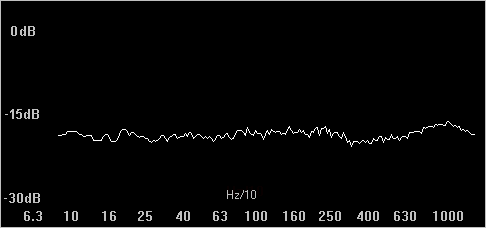
Good frequency response for the music!
Connecting the pickup to the amplifier
To obtain the best performance from piezoelectric transducers, they should generally be connected to amplifiers with high impedance inputs, which
are found on most combo amplifiers and/or musical electronic devices. Low impedance inputs will reduce both the frequency response and the nominal
sensitivity.
If the musician does not have a device (amplifier, mixer, etc.) with a high-impedance input, it is advisable to use a high-impedance input
adapter/preamplifier.

|
|